


Nexus is one of those plugins that has managed to stay relevant for years, even while music production has changed around it. Some people love it because it gets results quickly. Some look down on it because it is so immediate. Personally, I think both reactions miss the point a bit.
Nexus has always been about speed, access, and polished sound. It is not trying to be the deepest synth on the planet, and it is not pretending to be a modular playground for people who want to disappear into endless sound design for eight hours. What it does offer is a huge amount of usable, production-ready sound that can get you moving quickly, and that is exactly why it still earns a place in a lot of workflows.
I use Nexus in my own productions, and for me that says more than a feature sheet ever could. I do not keep plugins around because they are famous. I keep them if they actually help me make stronger music. Nexus still does that in certain situations, especially when I need fast access to polished sounds that already sit close to where I want them. In electronic music, and especially in styles that care about impact, melody, and immediacy, that is not a small thing.
What Nexus actually is
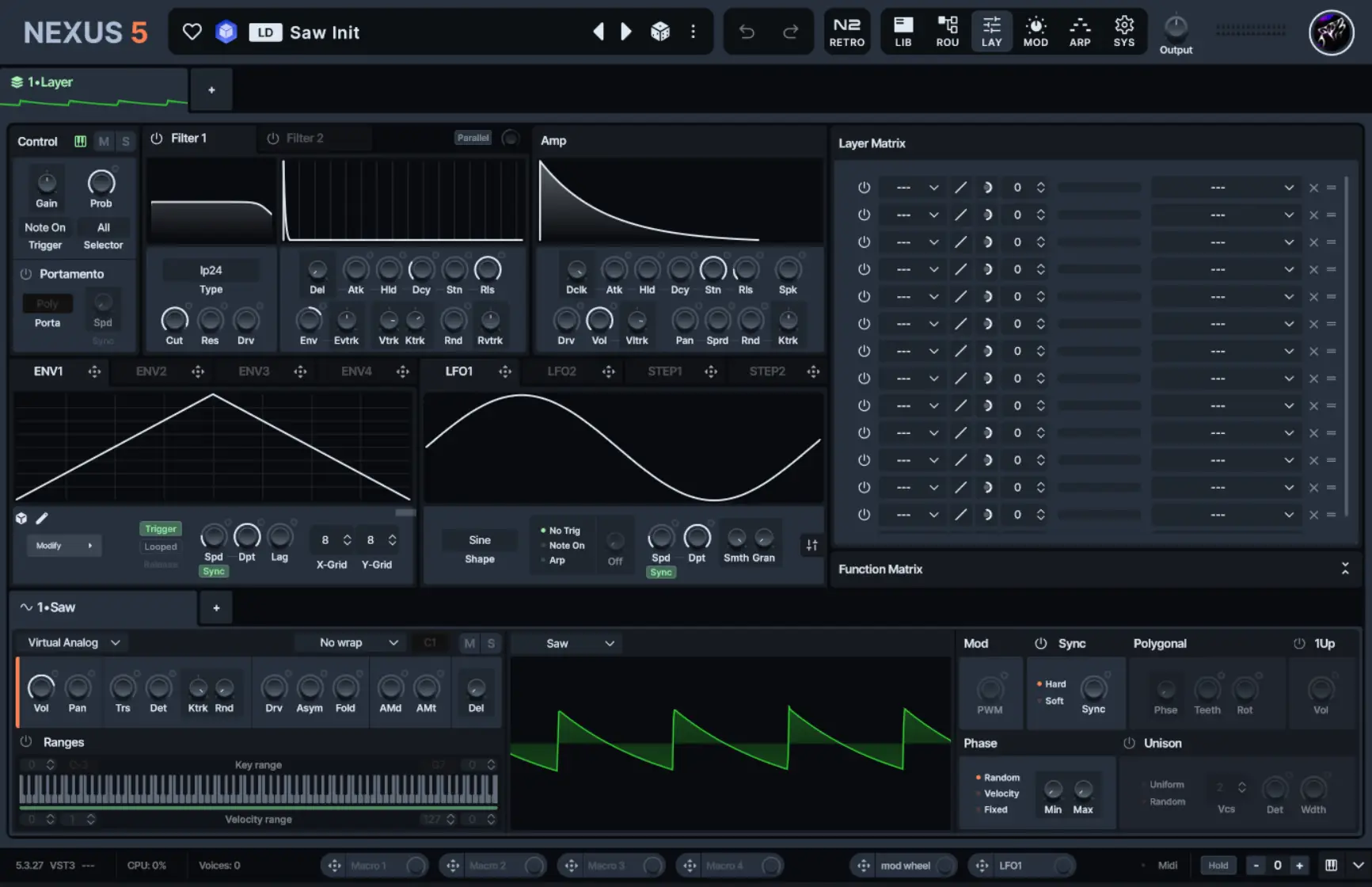
Nexus is a ROMpler-style instrument from reFX that has gradually evolved beyond the older assumptions people used to make about it. It is still known for ready-to-use sounds, fast workflow, and genre-friendly presets, but the newer versions have clearly pushed further in flexibility, architecture, and sound shaping.
From the official feature direction now, Nexus 5 is no longer just about loading a preset and moving on. It includes a much wider architecture with multiple generator types, built-in effects, sample handling, and far more control than the older “preset machine” reputation suggests. That said, I still think the core value of Nexus is not really about how deep you can go. It is about how quickly you can get to something that feels musical, finished, and usable inside a track.
That is why it has lasted. People can argue all day about purity, but if a plugin consistently helps producers build strong records faster, it is going to stay relevant.
Why Nexus still matters in electronic music
Electronic music often moves fast. You can spend a lot of time in deep sound design if you want to, and there is a place for that, but there is also a lot of value in being able to reach for a sound that already feels polished enough to spark an idea. That is where Nexus still makes a lot of sense.
For Trance, Dance, Hard Dance, and other electronic styles where big hooks, melodic leads, pads, plucks, pianos, and layered textures matter, Nexus has always been strong because it gets you into that world quickly. If I want to test an idea fast, hear a lead in context, or build a melodic layer without spending the first hour making the sound exist from nothing, Nexus is still a very efficient option.
That does not mean it replaces more advanced synthesis tools. It means it occupies a very useful role. I think too many people judge plugins as if every tool should do every job equally well. That is not how good workflows are built. A plugin earns its place by solving the right problems well. Nexus is very good at speed, polish, and musical immediacy.
What I like most about Nexus
The biggest strength of Nexus is how fast it can get you to a result that already feels close to finished. That is the real value for me. You open it, move through sounds quickly, find something inspiring, and suddenly the track has more shape than it did five minutes earlier.
That matters a lot more than people sometimes admit. Not every session should start with building every patch from scratch. Sometimes the smartest move is to get the track moving, hear the emotion, hear the energy, and build the composition first. Nexus helps with that because it shortens the gap between idea and usable sound.
I also think it is still one of the easiest plugins to use when you want a broadly polished electronic tone straight away. There is a kind of “record-ready” quality to many Nexus sounds that makes it immediately useful for sketching and layering, especially in genre spaces where production needs to feel strong early in the process.
Why speed matters more than people admit
There is a weird culture in music production where some people almost feel guilty for wanting speed. As if taking a quicker route to a good sound somehow makes the result less valid. I do not agree with that at all.
Speed matters because momentum matters. If a plugin helps you capture the idea while it is still alive, that is a creative advantage. Not everything needs to be built from zero to count as real production. The skill is in the decisions. If a sound from Nexus is the right sound for the track, then using it quickly is not cheating, it is just good judgement.
That is one of the reasons I still respect Nexus. It understands the value of immediacy. In the right workflow, that can make a huge difference.
What has improved in newer Nexus versions
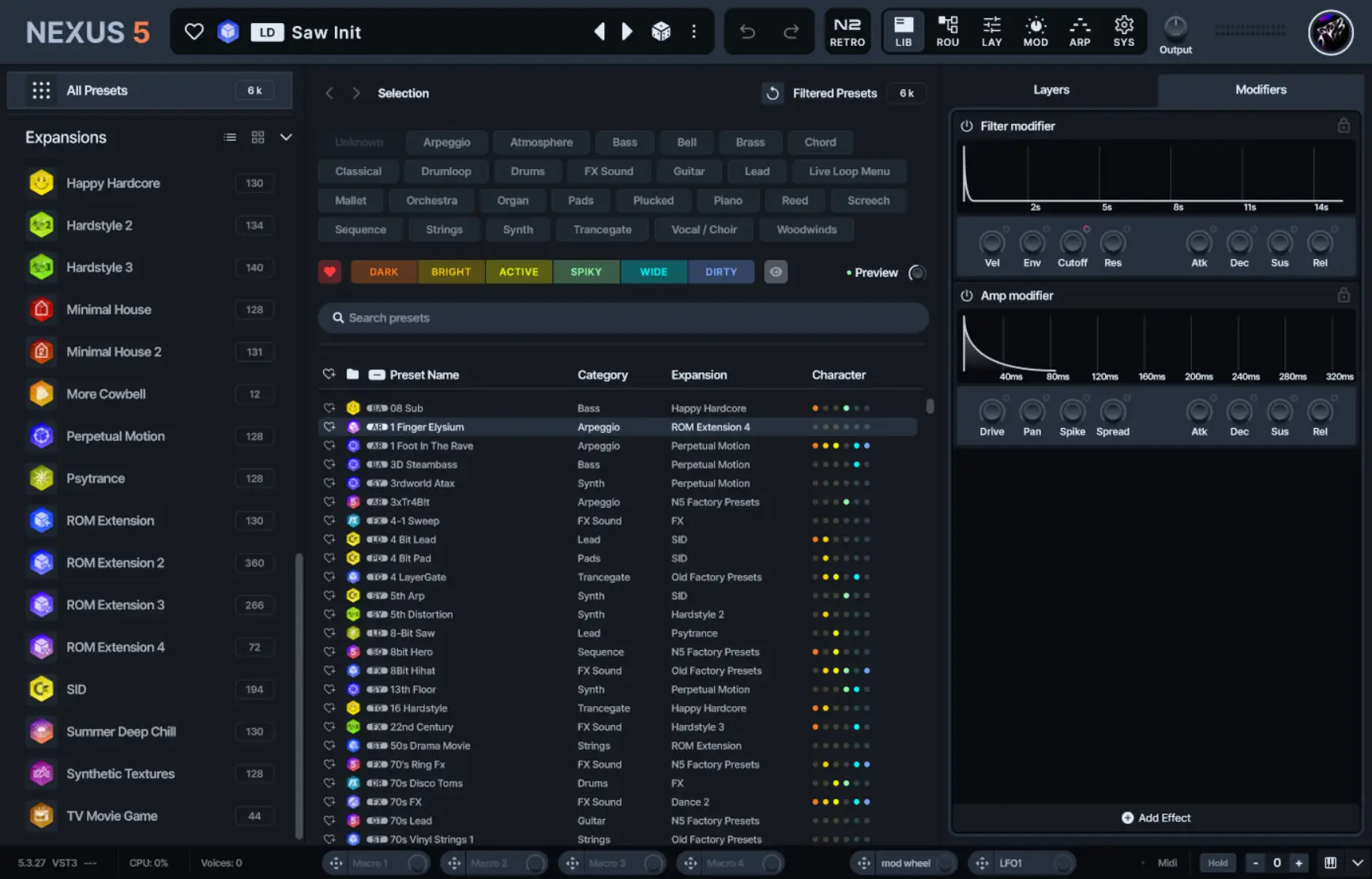
One thing worth saying clearly is that Nexus is not frozen in its older identity. The current direction is much broader than the old stereotype suggests. The official feature set for Nexus 5 pushes things further with a more open architecture, wider synthesis options, more flexible sample handling, and better editing power than many people still assume it has.
The official page talks about multiple generator types, more than 5,300 presets in the standard edition, compatibility with older libraries and projects, faster loading, efficient CPU use, and a stronger sample/synthesis hybrid approach. That matters because it shows reFX is trying to modernise the instrument without losing what made Nexus popular in the first place.
From my point of view, that is the right direction. The plugin does not need to abandon its strengths to stay relevant. It just needs to avoid being trapped by an outdated reputation, and the newer versions do a decent job of pushing beyond that.
Where Nexus is strongest in a workflow
For me, Nexus is strongest in three areas.
First, it is strong for idea generation. If I want to move quickly through possible melodic colours, plucks, leads, pads, keys, or layered sounds, it is very good for that.
Second, it is strong for layering. Even when a Nexus sound is not the entire answer, it can be a very useful part of the answer. A layer with the right polish or tone can suddenly make the whole stack feel more complete.
Third, it is strong when I want a sound that already feels close to the final record. That does not mean no work is needed. It just means the plugin gives you a more advanced starting point than many others do.
That combination is why it remains relevant in electronic production. It does not waste time pretending to be something it is not. It gives you access to sounds that are usable quickly and lets you stay focused on the track.
Where Nexus can feel limited
At the same time, I do not think Nexus is the answer to every sound design need. If I want to build something highly original from the ground up, or I want to get very deep into raw synthesis decisions, there are definitely other tools I would reach for first. That is where synths like Serum, Diva, or more open-ended environments start to make more sense.
This is where people often misunderstand the plugin. They criticise it for not being something it was never really trying to be. Nexus is not most valuable when it is judged as a laboratory for extreme sound design. It is most valuable when it is judged as a source of strong, usable sounds that let you move quickly and stay musical.
That is why I do not over-romanticise it. If I need total freedom, I will use something else. If I need polished speed, Nexus makes a lot of sense.
Does it still sound good?
Yes, and that is one of the reasons people keep using it. Whatever arguments people want to have about philosophy, if a plugin still sounds good in context, it still has value.
Nexus sounds polished. It sounds wide. It sounds immediately usable. In some genres that can actually be more useful than having a raw synth that needs a lot more work before it fits. For producers who want to hear a track take shape quickly, that polish is part of the appeal.
Of course, that same polish can also become a weakness if you lean on it lazily. If you just load presets and never shape them, never layer them properly, never make them belong to your track, then the result can start to feel generic. That is not really the plugin's fault though. That is about how it is used.
How I see it in relation to originality
This is where I think people can get a bit self-important about tools. Originality does not come from refusing to use popular plugins. It comes from how you write, what choices you make, how you layer sounds, how you arrange tracks, and how you shape the emotional identity of the music.
If Nexus gives you a strong sound and you turn that into a track that feels like you, then it has done its job. If you use it lazily, that is on you, not on the plugin. I think this matters because too much DAW and plugin discourse becomes obsessed with the idea that difficulty equals authenticity. It does not. Good decisions equal authenticity.
That is one of the reasons I still keep Nexus around. It is useful when I want to move fast, hear polished tones quickly, and keep the writing process alive.
Who I think Nexus is for
I think Nexus is especially strong for producers making Trance, Dance, Hard Dance, EDM, and adjacent styles where polished melodic content matters. It is a very good fit for people who value speed, want access to a lot of genre-friendly sounds, and do not need every part of the synth to feel like an engineering project.
It is also a good fit for producers who understand that workflow matters. If you are trying to keep inspiration alive, and you want tools that can get you to a strong starting point quickly, Nexus makes a lot of sense.
It is less ideal if your whole identity depends on building every sound from first principles and you actively dislike anything that comes with a polished edge already built in. In that case, it may feel less essential.
Official Link
If you want to explore the current version properly, compare editions, or buy it directly, the best place to start is the official reFX Nexus page.
My honest opinion
My honest opinion is that Nexus is still a very useful plugin, especially for electronic music producers who care about speed, polish, and strong melodic results. It is not the deepest sound design tool in the world, and I would not use it as if it were. But that is not what makes it valuable.
What makes it valuable is that it gets you moving quickly with sounds that already feel musical and production-ready. In the right workflow, that can be a massive advantage. It means the track starts living sooner.
I use it sometimes because it still earns its place. Not on every track, not for every role, but definitely in the situations where I want fast access to sounds that can help a record take shape without unnecessary resistance.
If you want to connect this review with other tools I use, it also makes sense alongside Serum 2 Why I Love It, my ShaperBox 3 review, and What I Look for in a Plugin Before It Earns a Place in My Workflow.


