

For most independent artists, the fun part is clear, It’s that 2:00 AM flow state where a melody finally clicks, or the adrenaline rush of a live performance. However, if you want your music to reach ears beyond your immediate friend group, you quickly realize that making music is only about 20% of the job.
The Beyond is where the real work happens. It’s the transition from being a creative to becoming a brand manager, a web developer, and a publicist. Here is how to navigate the full workload of the modern indie music landscape.
1. Your Digital Home: Why the Website Still Matters
In an era dominated by TikTok and Instagram, many artists ask if a dedicated website is still necessary. The answer is a resounding yes. Social media platforms are rented land. Algorithms change, accounts get shadowbanned, and platforms fade away. Your website is the only piece of digital real estate you truly own. To make it SEO-compliant and functional:
- The Mailing List: This is your most valuable asset. Use your site to capture emails so you can reach fans directly without fighting an algorithm.
- EPK (Electronic Press Kit): A professional hub for promoters and bloggers to find high-res photos, bios, and links.
- Direct-to-Fan Sales: Selling merch or digital downloads directly on your site often yields a much higher profit margin than streaming royalties.
2. The Logistics of Distribution

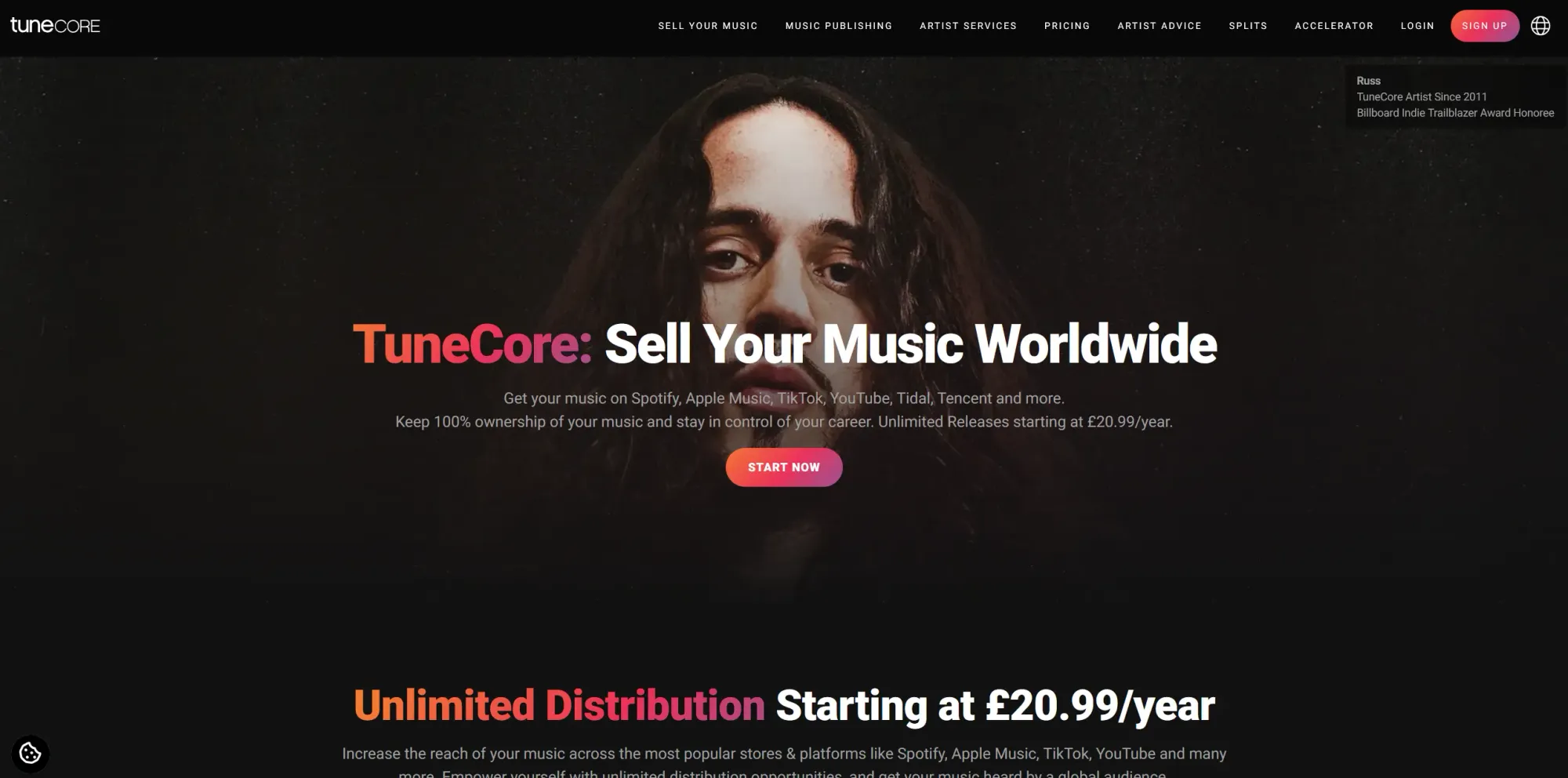


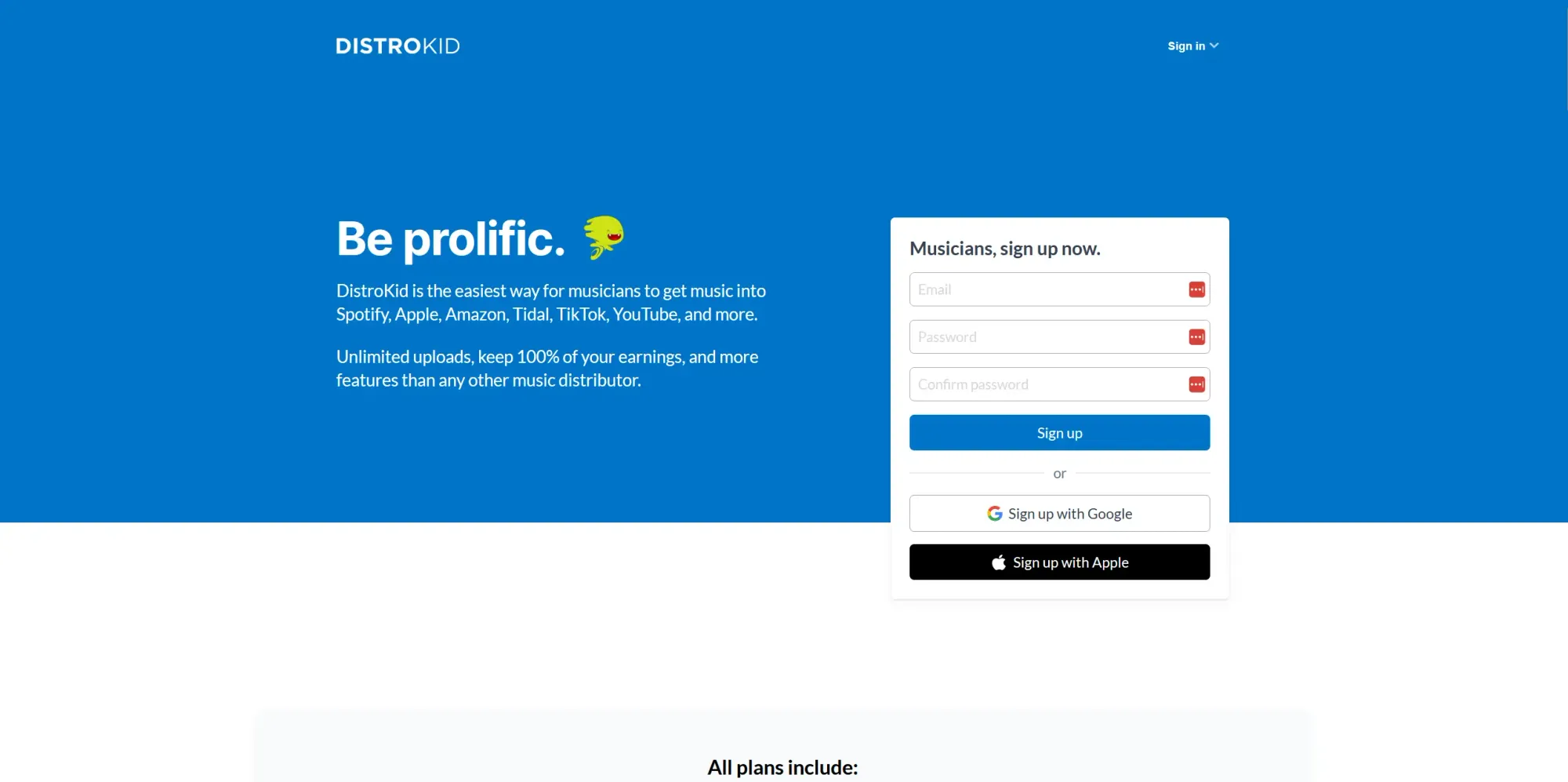
Getting your music onto Spotify, Apple Music, YouTube Music and Tidal is the baseline, but distribution involves more than just hitting an upload button. It’s about metadata management.
To ensure you actually get paid and your songs are discoverable, you have to master:
- UPCs and ISRC Codes: The DNA of your digital tracks.
- Distribution Times: Uploading at least 3 to 4 weeks in advance to submit for editorial playlists.
- Platform Selection: Choosing the right distributor (like Symphonic, DistroKid, TuneCore, TooLost or UnitedMasters) based on your release frequency and budget. There are literally plenty of distributors around, So you need to dig deep to find out which will suite you best for yourself as an artist and for your music.
3. The Art of the Hustle: Promotion and Marketing
Promotion is where most independent artists feel the most friction. It feels salesy, but reframe it: If you don’t tell people your music exists, you are doing your art a disservice.
Modern promotion is a three-pronged attack:
- Short-Form Video: Leveraging Reels and TikTok not just to dance, but to tell the story behind the lyrics.
- Playlist Pitching: Utilizing Spotify for Artists and third-party curators to find your niche audience.
- Community Building: Engaging with fans in the comments and Discord servers. People don’t just follow music; they follow the people or person behind the music.
4. Wearing the CEO Hat
Beyond the creative and the marketing, there is the administrative grind. This includes:
- Copyright and Licensing: Registering your works with PROs (like ASCAP , BMI or PRS for Music) to ensure you collect every cent of your performance royalties.
- Content Scheduling: Planning out a month of social media posts so you aren't scrambling every morning.
- Financial Literacy: Tracking your expenses (equipment, software, ads) against your income to ensure your career is sustainable.
The Bottom Line
Being an independent artist means being a creative entrepreneur. It is exhausting, yes, but it also offers a level of creative freedom that the old music industry never could. When you control the distribution, the website, and the promotion, you control your destiny.
The goal isn't just to make a hit song, it's to build a lasting ecosystem where your art can thrive.


